
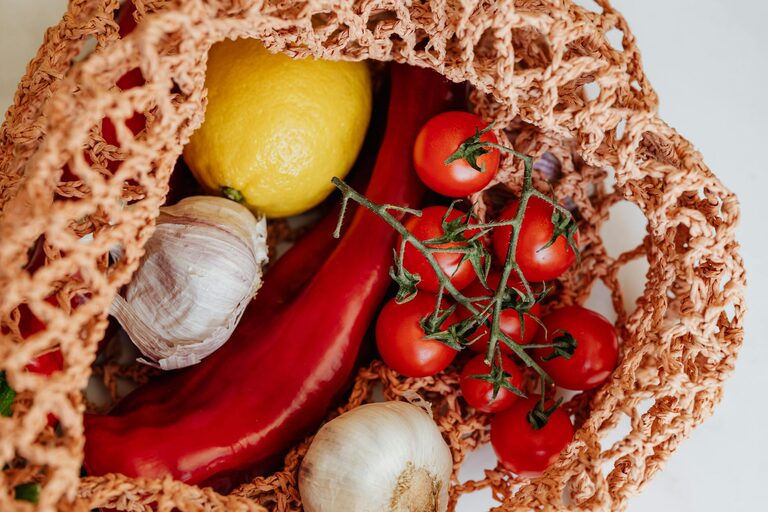
Reducing food waste at home is not only good for your wallet but also beneficial for the environment. Each year, millions of tons of edible food end up in the trash, contributing to greenhouse gas emissions and unnecessary resource use. Luckily, there are many easy and effective strategies you can adopt to cut down on food waste and make the most out of your groceries. In this post, we’ll explore several practical ways to reduce food waste in your household.
Why Reducing Food Waste Matters
Food waste impacts the environment in several significant ways. When food is thrown away, the water, energy, and labor used to produce it are also wasted. Additionally, decomposing food in landfills emits methane, a potent greenhouse gas. By managing food better at home, you help reduce these environmental effects and can also save money on your grocery bills.
Smart Shopping Habits
Plan Your Meals
Start by planning your meals for the week. Writing a shopping list based on your meal plan helps you buy only what you need, avoiding impulse purchases that may spoil before use.
Shop with a List
Always take a list with you when shopping and stick to it. This minimizes the risk of buying extra items that may go unused.
Buy in Appropriate Quantities
Avoid bulk-buying perishable items unless you are sure you will consume them before they expire. It’s better to buy smaller amounts more frequently.
Proper Food Storage
Understand Storage Guidelines
Different foods require different storage methods. For example, leafy greens last longer when wrapped in a paper towel and stored in a plastic bag inside the fridge.
Use Clear Containers
Store leftovers and pre-prepped ingredients in clear containers. This helps you quickly see what’s inside and prevents forgotten food.
Organize Your Fridge and Pantry
Keep older items in front and newer purchased goods behind. This rotation encourages you to use older food first.
Managing Leftovers Creatively
Repurpose Leftovers
Transform dinner leftovers into new meals. For example, roasted vegetables can become part of a soup or salad.
Set Leftover Days
Designate certain days during the week to eat up leftovers instead of cooking something new.
Understanding Food Labels
"Best Before" vs "Use By"
Learn the difference between “best before” (quality guidance) and “use by” (safety guidance) dates to avoid discarding food unnecessarily.
Use Your Senses
When safe, rely on sight, smell, and taste to check food freshness rather than discarding food based solely on dates.
Composting Food Scraps
Start a Compost Bin
Composting food scraps like vegetable peels and coffee grounds reduces landfill waste and creates nutrient-rich soil for gardening.
Community Compost Programs
If space is limited, check for local composting programs where you can drop off your organic waste.
Portion Control and Serving
Serve Smaller Portions
Serving smaller amounts reduces plate waste. You can always offer seconds if needed.
Use Measuring Tools
Use measuring cups or spoons during meal preparation to control portion sizes and prevent cooking excess food.
Use Technology to Help
Food Waste Apps
Several smartphone apps can help track the food you have, remind you of expiration dates, and suggest recipes using ingredients you already own.
Meal Planning Tools
Use online meal planners or grocery delivery services that help optimize your shopping and reduce waste.
Educate and Involve Your Household
Share Responsibilities
Encourage family members to participate in meal planning and food management.
Teach Children About Waste
Help children understand food’s value and involve them in meal preparation and leftovers management.
Final Thoughts
Reducing food waste at home takes some planning, but the benefits are well worth it. By adopting smarter shopping habits, properly storing and using food, and getting creative with leftovers, you can significantly cut down on waste. This saves money, reduces your environmental footprint, and contributes to a more sustainable lifestyle. Start with small changes and gradually build habits that support a zero-waste kitchen.
Implement these tips today and watch how they transform your approach to food!